In team collaboration, training, and learning,
group discussions are an important way to stimulate collective wisdom and promote in-depth thinking. However, group discussions in many organizations often become a mere formality and fail to fulfill their intended role. This article systematically introduces methods for organizing group discussions and provides a complete solution from planning to execution.
Effective group discussions start with clear objective-setting. Discussion objectives should be specific and measurable, avoiding excessive breadth. Topic design should have the following characteristics:
- Targeted: Closely aligned with practical work problems or learning goals
- Open-ended: Encouraging diverse thinking and innovative solutions
- Challenging: Stimulating participants’ enthusiasm for thinking and discussion
- Achievable: Ensuring deliverables can be produced within the specified time
Grouping strategies directly impact discussion outcomes. Common grouping methods include:
- Homogeneous Grouping: Members with similar skill levels are grouped together
- Heterogeneous Grouping: Members with diverse backgrounds and abilities are mixed in the same group
- Participants select topics based on personal interests
- Participants form discussion groups autonomously
- Optimal Scale: 4–6 people per group
- Role Assignment: Facilitator, Recorder, Presenter, Timekeeper
- Whiteboards, sticky notes, and markers
- Timers and recording devices
- Reference materials and case studies
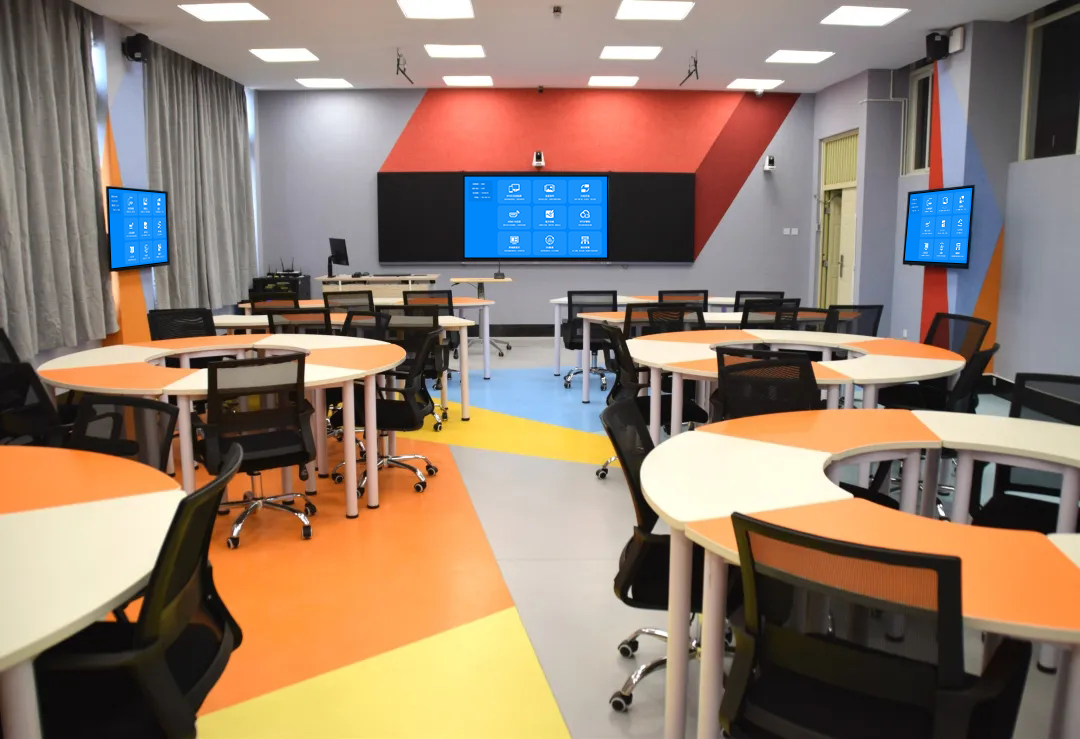
- Circular or U-shaped seating layout
- Ample space for group discussions
- Appropriate lighting and temperature
- Principle of mandatory participation for all members
- Principle of respecting diverse opinions
- Principle of focusing on the core topic
- Principle of strict time management
- Use open-ended questions to guide thinking
- Conduct phased summaries to advance discussions
- Encourage quiet participants to join the conversation
- Control speaking time of dominant members
- Structured reporting framework
- Visual presentation methods
- Highlight key points with clear logic
- Innovation of viewpoints
- Feasibility of proposed solutions
- Rigor of logical reasoning
- Team collaboration effectiveness
- Clarify division of responsibilities
- Set clear timelines
- Establish a tracking mechanism
- Facilitators redirect the conversation in a timely manner
- Set up a topic reminder board
- Regularly check discussion progress against the agenda
- Implement a rotating speaking mechanism
- Clarify individual responsibilities within the group
- Encourage team collaboration and mutual support
- Set time limits for each discussion phase
- Use timing tools to monitor progress
- Adjust discussion pace flexibly
- Observation of participant engagement
- Assessment of discussion quality
- Evaluation of team collaboration
- Feasibility analysis of proposed solutions
- Assessment of innovation
- Evaluation of practical application value
- Conduct post-discussion reviews after each session
- Share successful cases
- Document problems and improvement measures
- Adjust grouping strategies based on feedback
- Refine facilitation skills
- Improve the evaluation system
- Training for discussion facilitators
- Training on discussion skills for participants
- Team collaboration exercises
- Online discussion platforms
- Integration of collaborative tools
- Data analytics support for discussions
- Design thinking-based discussions
- Agile discussion methodologies
- Cross-disciplinary discussion models
Efficient group discussions require systematic planning and meticulous execution. Through scientific organization methods, appropriate facilitation skills, and effective evaluation mechanisms, group discussions can truly become a powerful tool for team learning and innovation, injecting sustained momentum into organizational development.