Effective Strategies for Organizing Group Discussions: How to Transform Team Talk from “Chat” to “Value Creation”?
In training, teaching, and team meetings, group discussion is a classic method for stimulating creativity, deepening understanding, and fostering consensus. However, group discussions in many organizations often become mere formalities, ultimately devolving into casual “chat” within small groups with limited output. How can we make group discussions truly effective? This article shares a complete set of organizational strategies.
I. Meticulous Design Before the Group Discussion
-
Define Clear Goals and Topics: The discussion must revolve around a clear, specific, and challenging core question. For example, avoid broad questions like “How can we improve customer satisfaction?” Instead, frame it as “How can we reduce complaint rates for Product A by 15% within three months?”
-
Structure Groups Scientifically: Form groups based on the discussion’s purpose. Consider heterogeneous grouping (mixing members from different backgrounds/departments to stimulate diverse perspectives) or homogeneous grouping (members from the same field for in-depth professional discussion). Groups of 4-6 people are ideal.
-
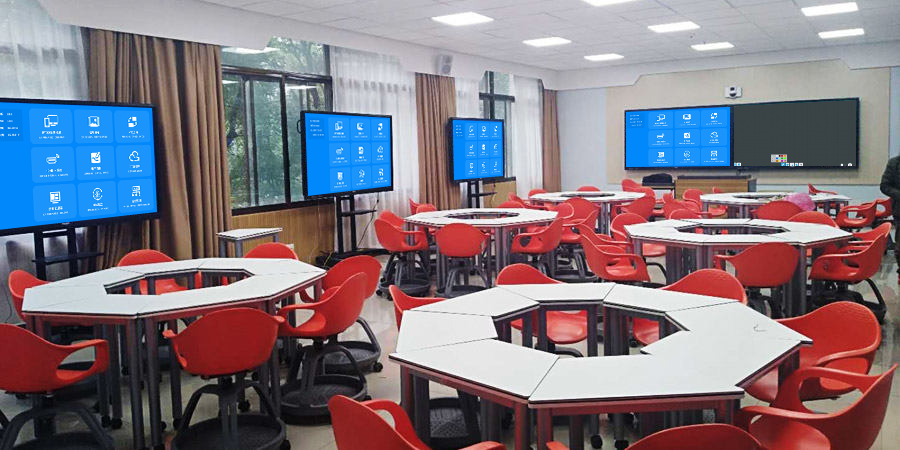
Prepare Discussion Tools and Environment: Provide each group with visualization tools like whiteboard paper, sticky notes, and markers. The physical space should facilitate face-to-face communication among group members and minimize distractions.
II. Process Facilitation and Management During the Group Discussion
-
Establish Clear Rules and Timelines: Announce the discussion rules (e.g., everyone must contribute, respect differing opinions) and strict timeframes (e.g., 10 minutes for brainstorming, 15 minutes for categorization, 10 minutes for summary presentation) at the very beginning.
-
Provide a Structured Framework: Give groups a discussion framework, such as “SWOT analysis,” the “5 Whys” technique, or a “World Café” style rotating discussion. This provides a thinking path and prevents digression.
-
The Facilitator’s Role: The facilitator (or trainer) should circulate, observe, and intervene appropriately. Offer inspiration when a group hits an impasse, steer them back if they go off-topic, and ensure all members have the opportunity to participate.
III. Outcome Synthesis and Follow-up After the Group Discussion
-
Effective Presentation of Results: Require each group to present their conclusions concisely, for example, using a format like “1 core idea + 3 supporting arguments/recommendations.” Encourage the use of mind maps, flowcharts, or other visual forms.
-
Organize Plenary Exchange and Feedback: After each group presents, organize cross-group questions and additions. This elevates group wisdom to collective intelligence.
-
Formulate an Action Plan and Follow-up: The ultimate value of a discussion lies in action. It is essential to translate key insights and suggestions into a concrete action plan with assigned responsibilities and deadlines, and to establish a mechanism for follow-up.
Summary:
Effective group discussion is far from simply “splitting into groups and having a talk.” It is a systematic project encompassing “meticulous design – process facilitation – outcome closure.” Through scientific organization and guidance, group discussions can truly become a powerful tool for teams to spark innovation, solve problems, and build consensus, ensuring that every discussion yields tangible value.