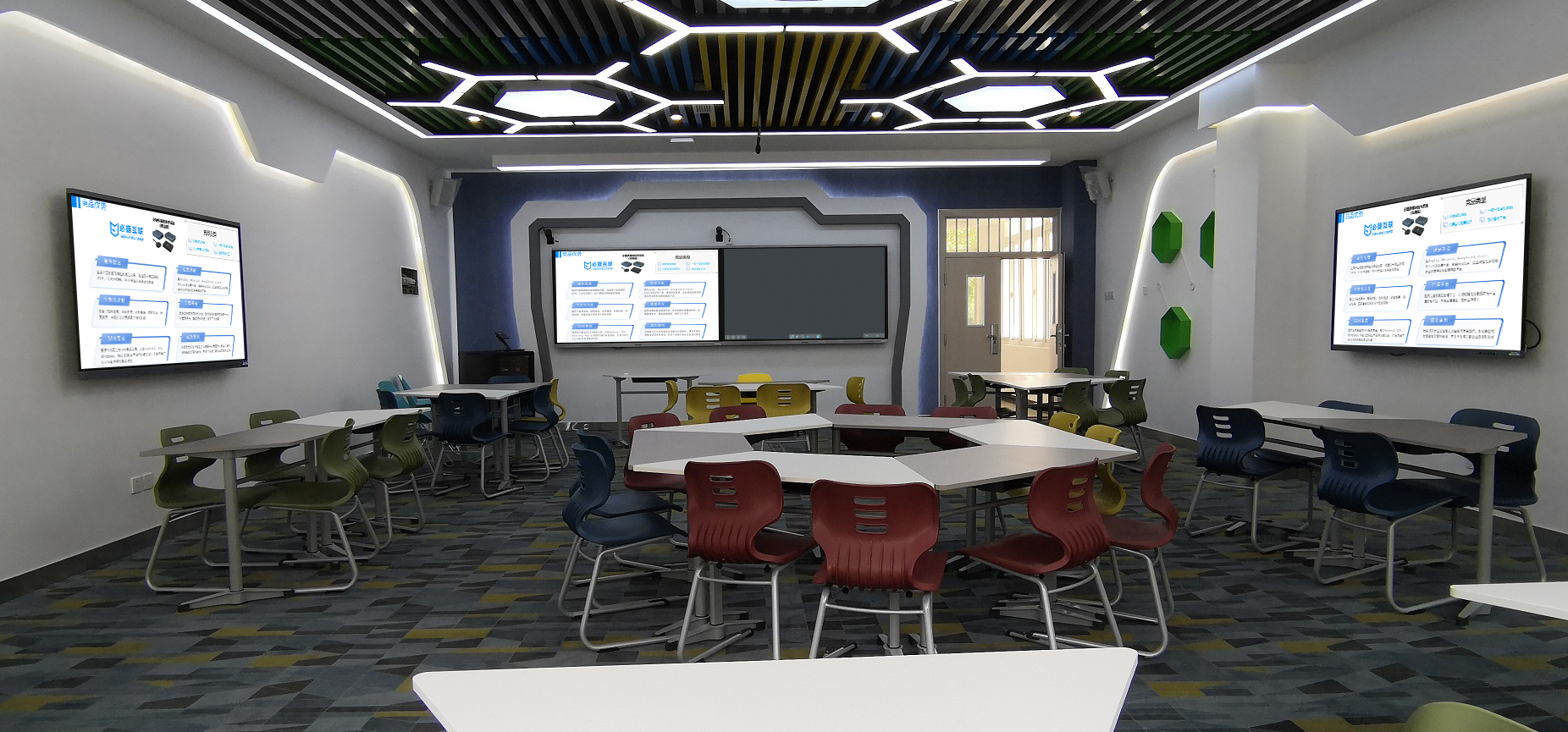
Guide to Interactive Classroom Construction: Building a Modern Smart Teaching Space
Amid the rapid development of digital education, interactive classrooms have become a vital carrier for modern teaching. By integrating advanced technical equipment and innovative teaching models, interactive classrooms create an immersive and participatory learning experience for teachers and students, significantly enhancing teaching effectiveness and learning efficiency.
Core Components of an Interactive Classroom
A complete interactive classroom typically consists of the following core elements:
- Interactive Display Devices: Large-size interactive electronic whiteboards or all-in-one touch screens that support multi-touch, writing and annotation.
- Audio-Visual System: HD cameras, omnidirectional microphone arrays and high-fidelity speakers to ensure remote interaction and clear sound pickup.
- Student Terminals: Tablets, response pads or smartphones as tools for students to engage in interactions.
- Teaching Software Platform: An integrated software system combining course management, real-time interaction and data analytics.
- Network & Infrastructure: High-speed, stable wired and wireless networks to support concurrent access of multiple devices.
Key Technical Solution Design Points
Sound technical design is critical for building an interactive classroom.
- Display Solution Selection: Choose an appropriately sized interactive panel (usually 86 inches or above) based on classroom dimensions to ensure visibility for students in the back rows. Prioritize eye-protective screens with low blue light and anti-glare features.
- Audio System Layout: Adopt ceiling-mounted microphone arrays for full classroom sound coverage, paired with automatic echo cancellation and noise reduction algorithms to guarantee crystal-clear audio for remote classes.
- Network Architecture Design: Deploy enterprise-grade Wi-Fi 6 wireless networks, isolate traffic of teaching, management and IoT devices via VLAN division, and ensure stable and secure transmission of interactive data.
Application of Innovative Teaching Models
Interactive classrooms support various cutting-edge teaching models:
- Flipped Classroom: Students preview learning materials via the platform before class, while in-class time is dedicated to discussions, Q&A and in-depth practice.
- Collaborative Group Learning: Students work in groups via terminals, complete tasks collaboratively on shared digital whiteboards, and showcase their outcomes with one-click screen casting.
- Real-time Assessment & Feedback: Teachers launch on-the-spot quizzes anytime; the system instantly tabulates results and presents them visually, helping teachers accurately grasp students’ learning status.
- Immersive Experience: Combine AR/VR technologies to turn abstract knowledge into interactive 3D scenarios, boosting learning interest and comprehension.
Implementation & O&M Recommendations
A successful interactive classroom project requires thorough implementation and continuous operation and maintenance.
- Phased Deployment: Start with pilot classrooms to accumulate experience before large-scale promotion.
- Teacher Training: Organize systematic training on teachers’ IT application capabilities, focusing on the integration of teaching methodologies and technology rather than mere device operation.
- Establish O&M System: Define clear technical support processes, including daily inspections, rapid response mechanisms and regular equipment maintenance.
- Data-driven Optimization: Use usage data collected by the teaching platform to continuously evaluate classroom effectiveness and optimize teaching strategies.
Future Development Trends
Going forward, interactive classrooms will evolve toward greater intelligence and integration:
- AI Teaching Assistant Integration: Artificial intelligence will assist with classroom attendance, learning behavior analysis, personalized resource recommendation and even automated homework grading.
- In-depth IoT Integration: Environmental devices such as lighting, air conditioners and curtains will adjust automatically based on classroom scenarios to create an optimal physical learning environment.
- Cross-campus & Cross-border Interconnection: 5G and cloud computing will enable seamless connection of remote interactive classrooms, realizing wide sharing of high-quality educational resources.
An interactive classroom is not a mere stack of devices, but a deep integration of educational philosophy and technical environment. Its success hinges on prioritizing teaching needs, empowering teachers and engaging students through stable, user-friendly technology, ultimately achieving substantial improvement in teaching quality and learning outcomes.